Work
Five healthcare products, and the rule each one left me
They run in the order I worked on them. None turned on whether the technology worked. Each was decided by ownership, approval, attention, accountability, or who pays, and each left a rule I still build by.
- 100+ organizations in federal quality reporting Epic — the national CMS quality-reporting curriculum and escalation path I ran
- 30MM annual visitors CancerCompass — I directed digital products
- $5M revenue Doximity Talent Finder — I grew it 60% YoY
Case studies
-

01 Decided by ownership
After the software is installed
Outcome A cancellation risk turned into a reference account, a 134-year-old health system taken online, and eight client organizations still reporting on the federal quality programs.
The rule I kept Deployment is the start of the obligation, not the end of it. Name the trigger, the owner, and the notification before the problem arrives.
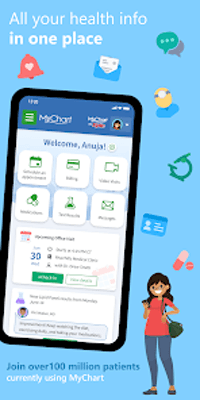
MyChart, one of the two products I deployed for the 514-bed research hospital. -

02 Decided by approval
The patient sees the office, not the cell phone
Outcome Dialer still carries more than 300,000 calls on an average workday across 250+ health systems — 9 years of continuous operation.
The rule I kept Adoption may come before official approval only while the risk stays with the person choosing. When the risk is clinical, approval comes first.
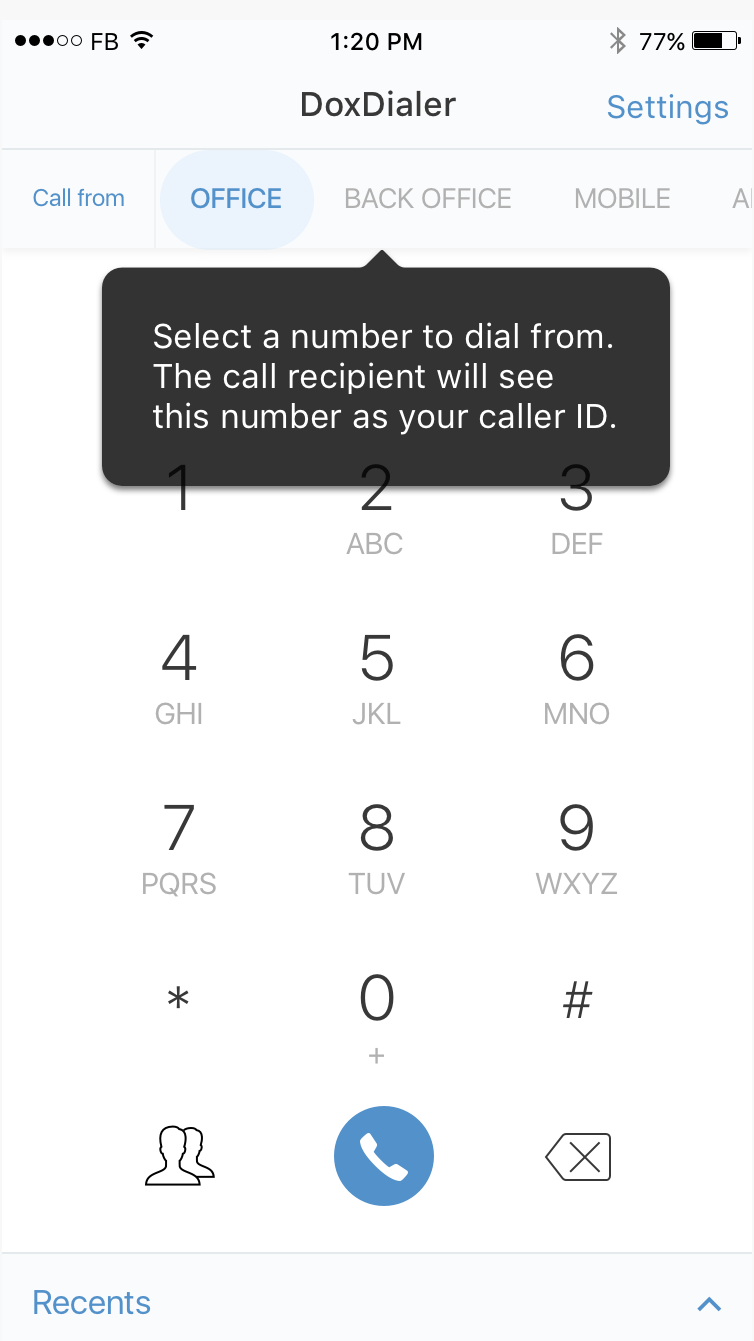
The identity decision in the product’s own words — the clinician picks which number the patient sees, with the office line preselected. -

03 Decided by attention
Scaling oncology navigation for 30MM annual visitors
Outcome Chat conversions up 267% and bounce rate down 25% across 30MM annual visitors following the platform rebuild.
The rule I kept A frightened person is not short of information. The scarce resource is attention and trust, so the product’s job is the next step and a person to call.

The archived homepage, captured before the platform wound down pre-acquisition. -

04 Decided by accountability
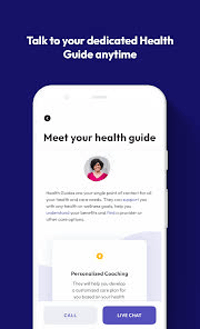
Four specialty programs on one routing architecture
Outcome Four specialty-care programs launched on one shared architecture.
The rule I kept One system can carry many programs once every decision point has a named owner. Assigning that owner is the architecture.
-

05 Decided by who pays
Reading the contract before the physician signed it
Outcome 1,200+ physician users, then a deliberate wind-down when the fundable paths changed who the product would serve.
The rule I kept Who pays decides who the product works for. Adoption proves people want it; it does not settle that.
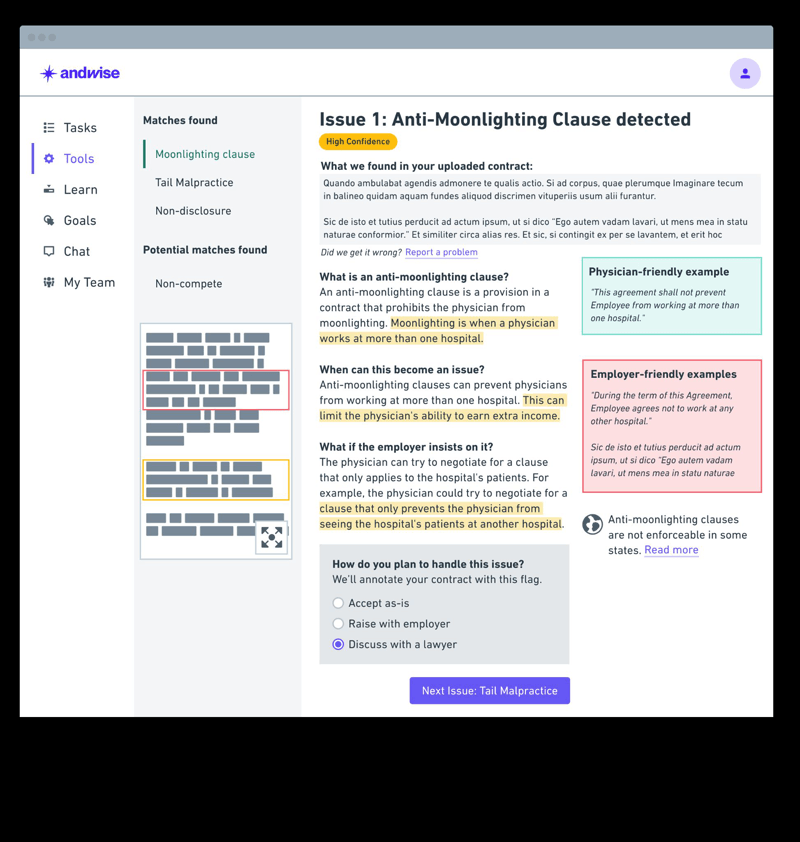
The Contract Analyzer as specified in January 2023. This is the design artifact, not a screenshot of a live analysis — the document body is placeholder text.
Where the rules go next
Two of them carry straight into what I build now. Ambit applies the approval rule to AI agents, whose risk is not the user’s alone: an agent’s autonomy grows one authorized action at a time. NextConsensus applies the ownership rule to medical evidence: a guideline is watched after it is published, for the point where the evidence has moved past it.
Revised